One of the most significant mining tools in the mining process is drill bits, as the speed and efficiency of the material breaking and removal directly depend on the selected drill bit. Machines in mining are required to cut coal, rock, or any other hard surface, and the drill bit is the section that comes into direct contact with the ground. The quality of the drill bit is determined by the design of the drill bit in terms of how it can withstand pressure, heat, and friction when it is in use. Properly designed drill bits enhance cutting speeds and machine stress, whereas improperly designed ones may slow down a job and incur higher expenses. Due to this fact, mining companies are very keen on the shape, material, and structure of mining drill bits to ensure higher productivity and a longer life of the tool.
Shape and Geometry of Drill Bits
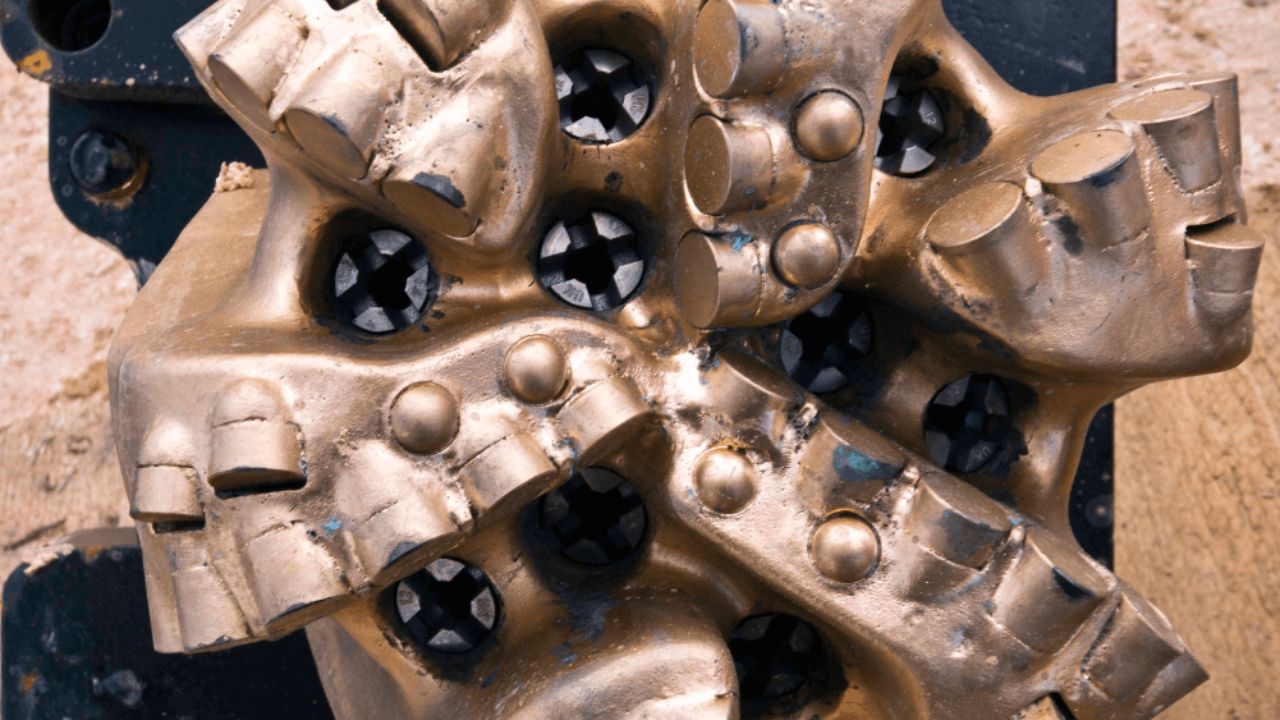
A drill bit shape contributes significantly to its performance in a mining process. The various shapes are aimed at different ground conditions like soft soil, coal seams, or hard rock. When breaking hard rock, a pointed tip will be used, whereas a flatter or broader design will be preferable when working with a soft material. The cutting-edge angle also influences the ease of penetration of the bit into the surface. An optimized geometry enables easier cutting and decreases resistance in the process of drilling. It implies that the machine consumes less energy and is also quicker. When the shape does not fit the material, the bit may become worn out easily or even break, thus lowering productivity in the mining process.
Impact on Cutting Efficiency
It depends on the design of the drill bit that determines cutting efficiency. An effective drill bit is able to fracture rock or coal at a reduced force, thus enhancing the velocity of mining. The distance between cutting edges, the sharpness of tips, and the balance of the bit all play a role in the smoothness with which the bit will slice through material. With high efficiency, machines take a shorter time to accomplish tasks and use less fuel or electricity. This enhances general productivity, and the costs of operation are lowered. Improperly designed drill bits will result in uneven cutting, which will result in vibration as well as slowing down of the machine. In the long run, this decreases production, besides enhancing wear on other machine parts.
Wear Resistance and Tool Lifespan
Wear resistance is one important aspect in the performance of the drill bits, as the mining conditions are highly abrasive. The surface of the drill bit is worn off by the continuous grinding of rocks, coal, and minerals. An excellent design of the drill bit would have reinforced edges and protective layers that reduce this wear. This prolongs the life of the tool and also minimizes the number of replacements. More durable drill bits make mining companies save money and decrease downtime. They also enhance productivity since machines are able to work longer. Conversely, low wear resistance causes quick wear, frequent stoppages, and increased costs of maintenance, which adversely impact the overall mining efficiency.
Stability and Machine Performance
The design of drill bits also influences the stability of mining machines when in operation. Well-balanced and balanced drill bit minimizes vibration, which makes the machine run smoothly. Uncontrolled vibration may cause equipment damage, loss of accuracy, and an unsafe working environment. Stable drill bits aid in ensuring the same cutting pressure, which enhances performance and minimizes mechanical stress on the machine. This results in increased machine life and reduced breakdowns. Moreover, stable drilling enhances control by the operator and results in more accurate cutting in the mines. The improperly designed drill bits may lead to irregular movement, and this lowers productivity and chances of equipment malfunctioning.
Conclusion
The design of drill bits in the mining operation directly affects the performance, efficiency, and productivity. All the features of the design, the shape, the material, the heat resistance, wear resistance, and the stability all add up to the degree of performance of the tool in the harsh environment. The quality of a drill bit enables the machine to cut faster, enjoy a longer life, and reduce stress on the machine, which enhances mining performance and reduces the cost of operation. Conversely, bad design would result in frequent failures, reduced productivity, and increased costs. Due to this reason, the mining companies invest in quality drill bits which are designed to be efficient and durable. The smart design eventually guarantees streamlined operations with improved long-term outcomes in the mining sector.